
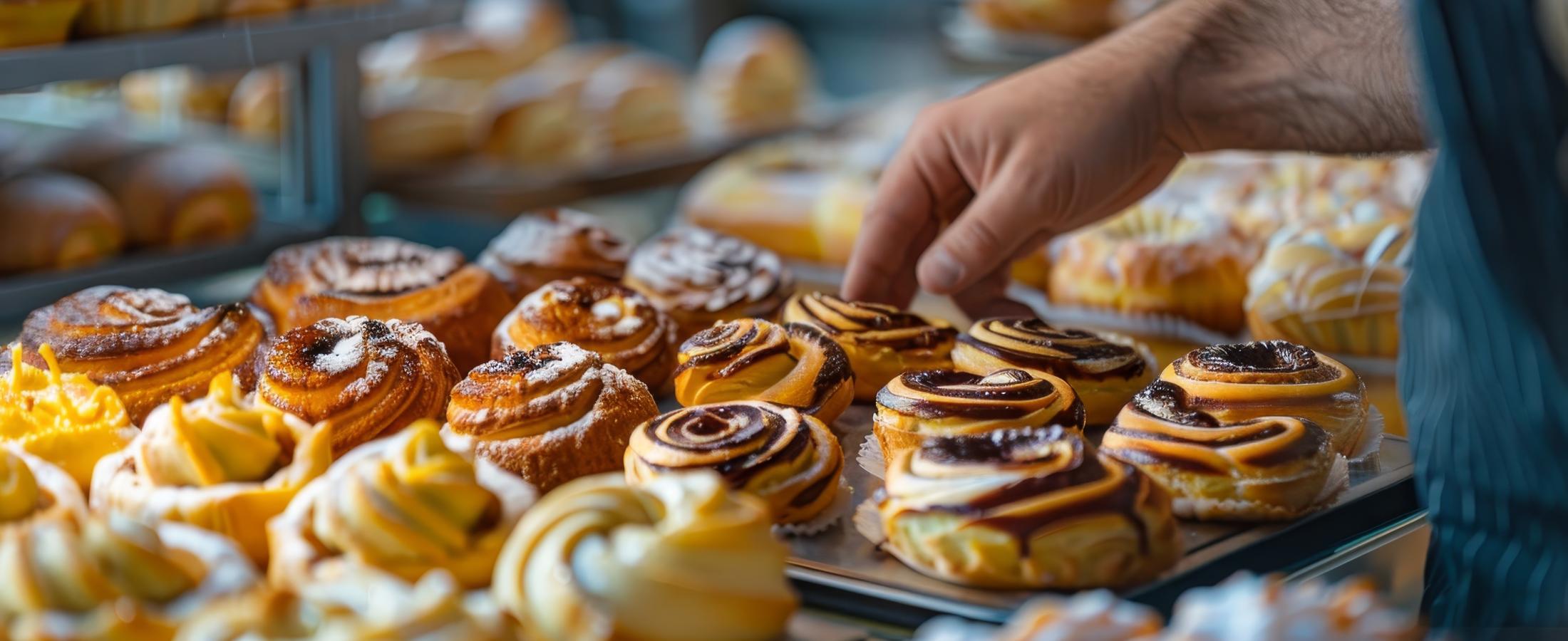
Culinary tourism is gaining momentum, with the market expected to grow by nearly 15% a year through 2033. About three-quarters of travellers say they are seeking more immersive dining experiences.* Food is becoming a reason to choose a destination in the first place, rather than simply something travellers encounter along the way. But the influence of culinary tourism reaches far beyond travel itself.
The influence of culinary discoveries can continue long after the journey itself, as consumers seek out flavours and products they first encountered while travelling – or even online. For industrial bakers, that shift raises an interesting question: how do you capture the character of another region in a product made at scale?
When food becomes the itinerary
Food shapes where travellers choose to go, not just what they eat once they are there. That search can take many forms: a detour to a village bakery known for one specific bread, a food market visited for its regional specialities, or a queue outside a bakery that has gone viral online.
Source: ImarcGroup (Market Research Company) -Culinary Tourism Market Size, Share, Trends and Forecast by Activity Type, Tour Type, Age Group, Mode of Booking, and Region 2025-2033
Different generations, different motivations
Not everyone chases this experience for the same reason. Younger travellers often connect these experiences to social media and shareable moments, while older generations may be more drawn to heritage, tradition and quality. For bakers, the more useful distinction is not age, but the reason behind the search: nostalgia, discovery or something worth sharing.
Staying true to the original (or not)
Consumers who discover something while travelling often look for it again once they are back home, and that creates a genuine opportunity for bakery producers. Authenticity sits at the centre of this: staying close to the original taste, texture and appearance of a product, whether that is the crisp crust of a French baguette or the creamy custard filling and flaky pastry of a Portuguese pastel de nata. Alternatively, inspiration from abroad can be reinterpreted through a familiar local product, introducing new flavours, fillings or formats. The croissant-doughnut is a familiar example of how this reinterpretation can take shape.
"Cinnamon rolls are a good example of how bakery concepts can travel across borders. Although they are not traditionally part of the Italian bakery landscape, they are becoming more familiar as Italian consumers discover bakery traditions from other markets.”
A story worth tasting
Storytelling helps bring authenticity to life. A connection to place, tradition or season gives consumers more than a flavour or product to discover – it gives them a story to connect with. Panettone in Italy, traditionally associated with Christmas, is a good example. Alongside the classic sweet version, savoury interpretations with ingredients such as tomato and cheese show how tradition and reinterpretation can exist side by side.
Media accelerate culinary discovery
Social media, film and TV are increasingly shaping how consumers discover destinations and the food associated with them. Almost half (48.9%) of Gen Z say TikTok influences their travel decisions, while 66% of consumers globally say film and TV content influences where they want to go and what they want to eat when they get there.
Source: RAPPORTO SUL TURISMO ENOGASTRONOMICO ITALIANO 2025
A world of flavour at your fingertips
What was once discovered mainly at its place of origin can now reach consumers anywhere, allowing regional products, flavours and formats to inspire bakery development far beyond their home markets. Visual appeal can accelerate this journey, as distinctive shapes, textures and colours help products stand out and spark curiosity online. For bakers, the challenge isn't spotting the next regional flavour before it travels, it's being ready to act on it once it does.
Connecting the dots
For industrial bakers, responding to culinary tourism is not simply about following every flavour or product that gains attention online. It is about recognising which signals have lasting potential and understanding how they can be translated into products that work for a specific market and production environment.
With expertise in markets around the world, Zeelandia connects local insights and international inspiration with practical bakery knowledge. This helps customers translate relevant trends into products and processes that work at scale.
Ready to turn culinary inspiration into bakery opportunities?